
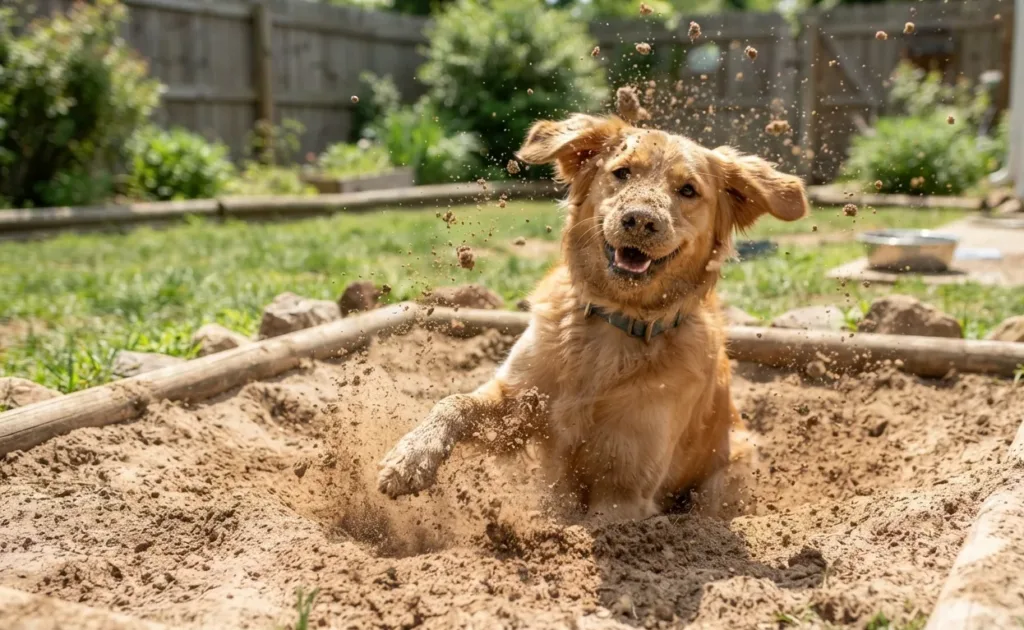
Dog Digging: Why It Happens and How to Match the Right Fix
Dog digging has specific, identifiable causes, from boredom to escape attempts. Here’s how to read the pattern and match the fix to the real reason.
Dog digging has specific, identifiable causes, from boredom to escape attempts. Here’s how to read the pattern and match the fix to the real reason.

Puppy biting is nearly universal and developmentally normal. Here’s why puppies bite, how bite inhibition actually forms, and how to redirect it effectively.

Destructive chewing is normal canine behavior directed at the wrong objects. Here’s why dogs chew, how to tell if it signals a bigger issue, and how to redirect it effectively.
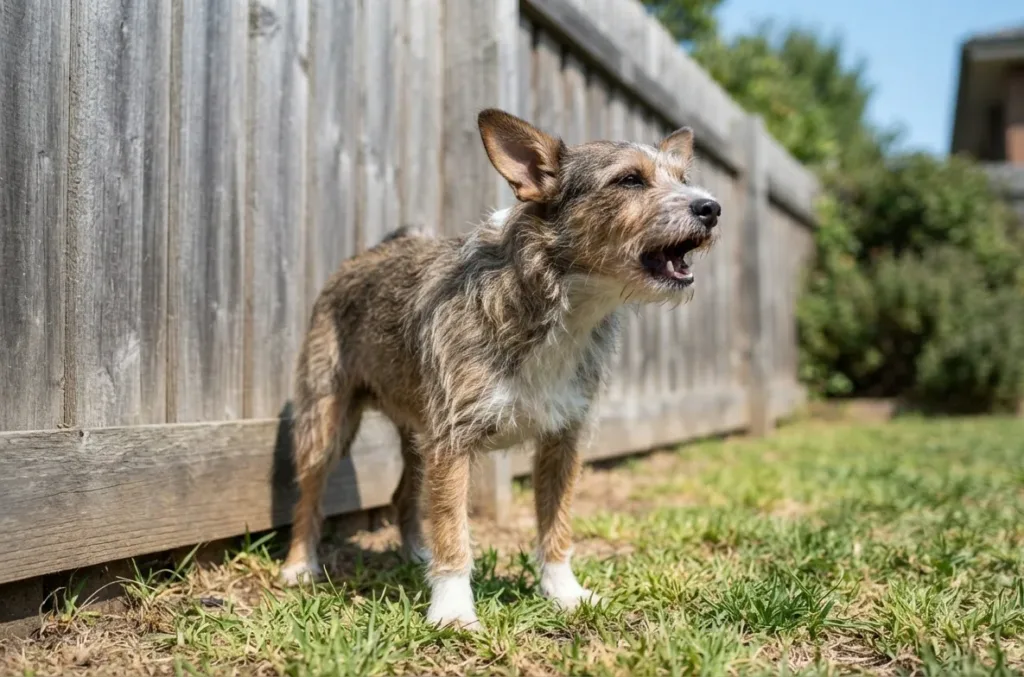
Dog barking has specific types with different causes and different solutions. Here’s how to identify which type you’re dealing with — alert, attention, frustration, separation anxiety, or fear — and the specific approach that addresses each one.

The crate that serves as refuge produces a different dog than the crate used as punishment — and the difference is entirely in how it’s introduced. Here’s the complete step-by-step crate training process using positive reinforcement.
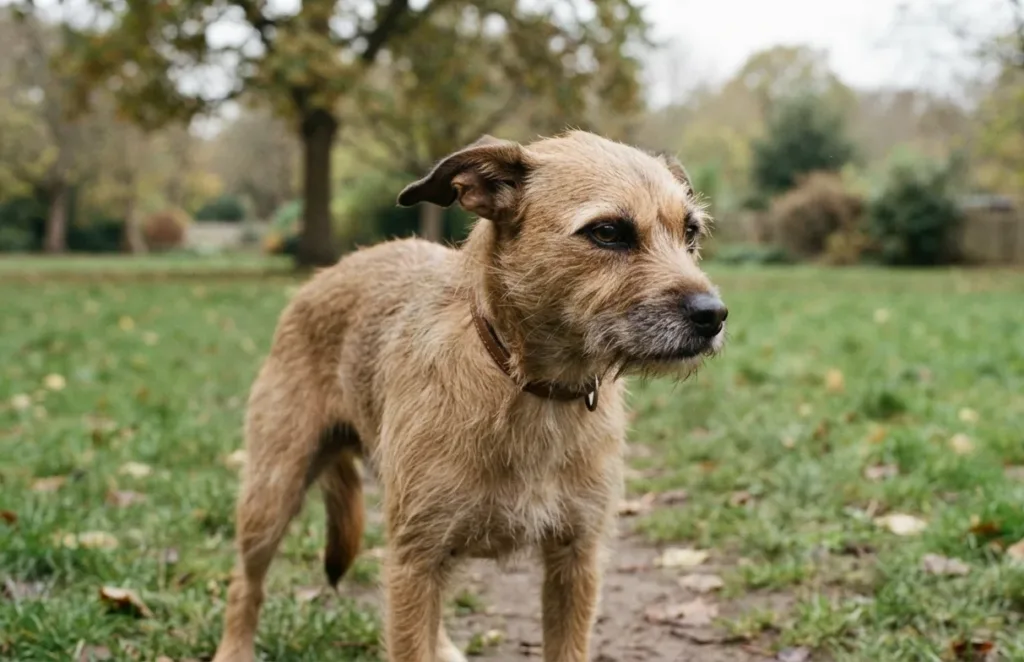
A stressed dog communicates continuously through signals most owners miss. Here’s the complete guide to recognizing stress signals at every level — from early calming signals through clear distress — and what to do when you spot them.
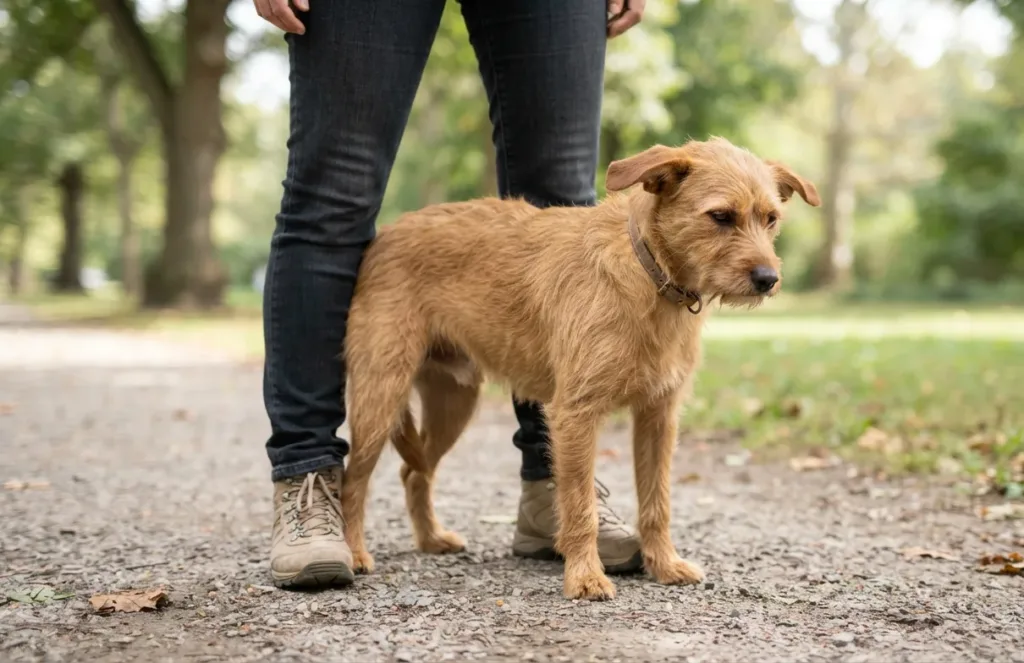
Dog anxiety is more common and more treatable than most owners realize — but only after it’s correctly identified. Here’s how to recognize different anxiety types, what management approaches work, and when medication helps.
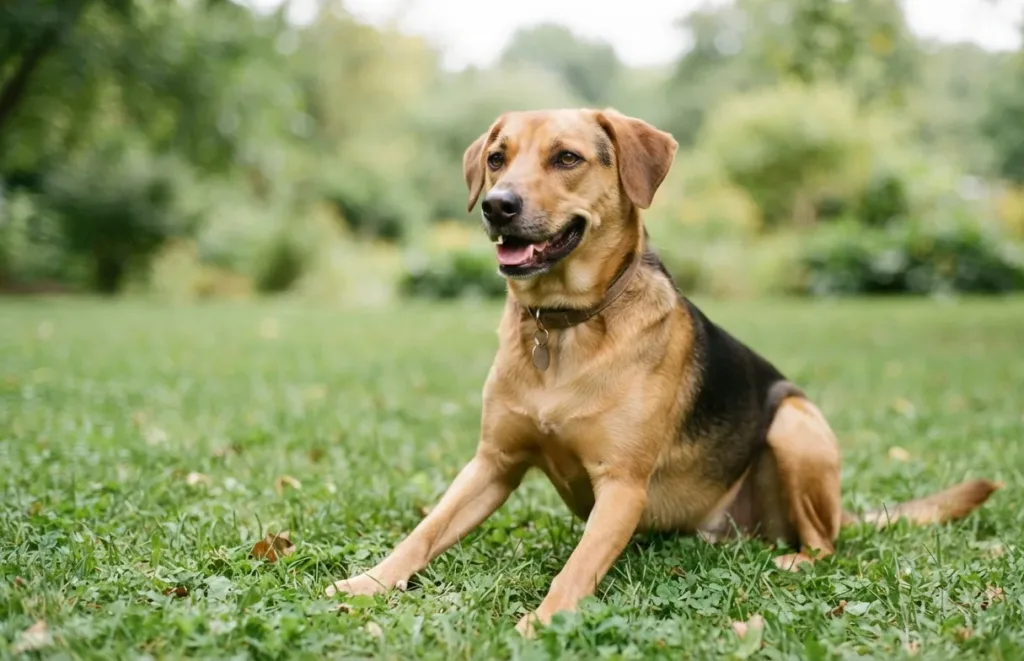
Dog body language communicates stress, fear, and escalating warning before any bite happens. Here’s how to read the full signal sequence — from early calming signals through clear warning displays.

Crate training works when the introduction is right and backfires when it isn’t. Here’s how to build a genuinely positive association from the very first step.
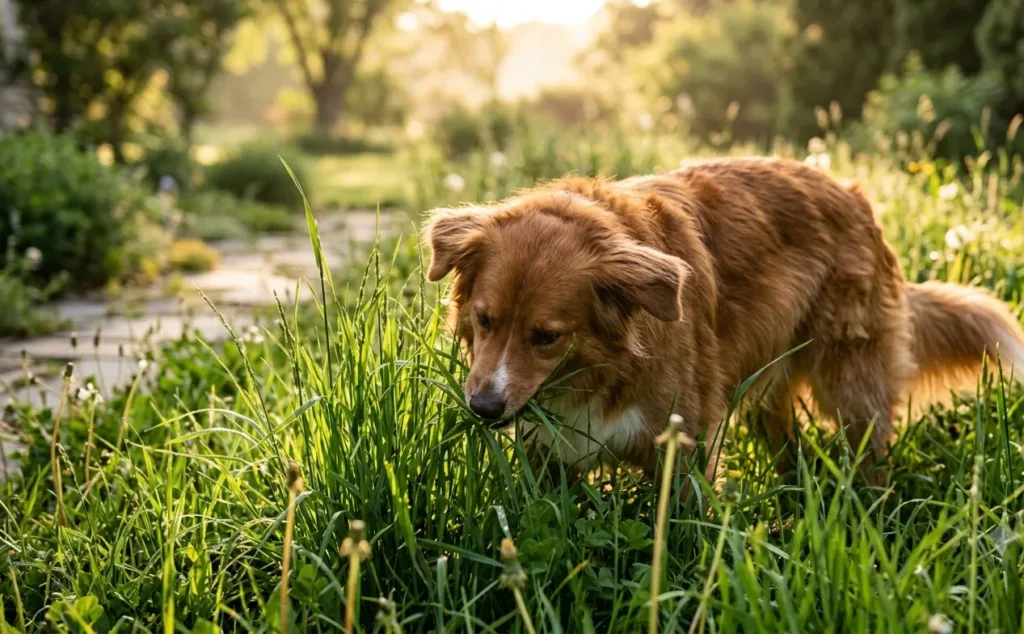
The popular explanation — dogs eat grass to make themselves vomit — isn’t supported by research. Most grass eating happens in healthy dogs and isn’t followed by vomiting. Here’s what actually drives the behavior and when to pay attention.